


Marc Chianese
Dedicated Accounting Support
Marc Chianese provides dedicated accounting support at First Steps Financial. A proud U.S. Navy veteran, Marc discovered his passion for numbers during his service in Okinawa, Japan, where he earned his bachelor’s degree in accounting. His transition from nine years of submarine hunting to the world of finance reflects his discipline, precision, and commitment to excellence.
Experience/Education
- 1+ years accounting experience
- Currently pursuing CPA certification
- Bachelors Degree, National University
Certifications
- Intuit Certified QuickBooks Level 1 ProAdvisor
Areas of Focus
- Accounting support services
- QuickBooks Online assistance
- Financial accuracy and process improvement
- Veteran-driven discipline in financial operations
Our Latest Insight
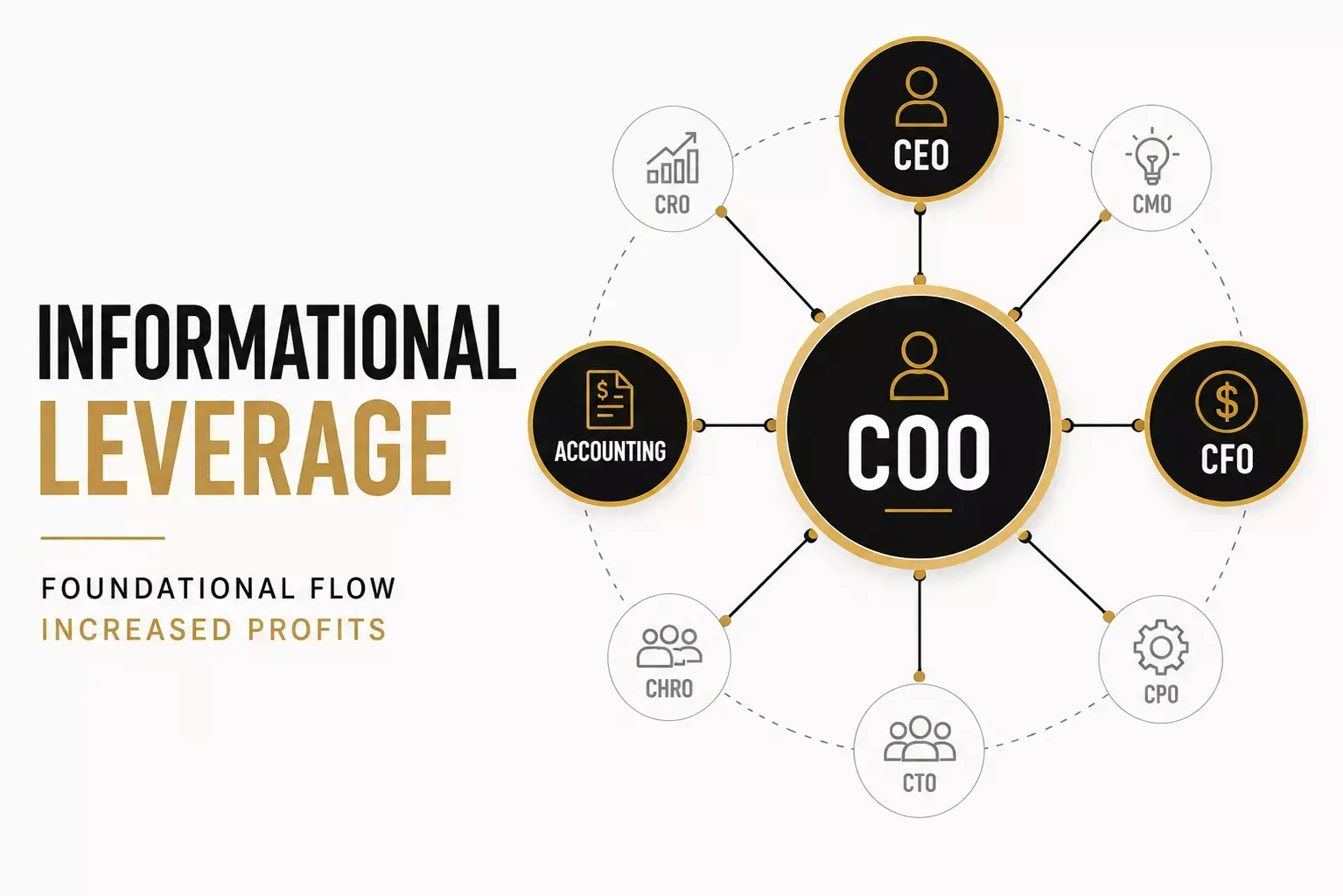
"Accounting is a stick in the mud." "I'm not really sure what a COO does all day." "The CFO just plays around with their little Excel sheets." You have probably heard one of those lines. You may have thought one yourself. They sound like harmless office humor. They actually point to something expensive. In most growing service businesses, nobody has ever defined how operations and accounting work together. The people who produce your financial reports sit outside the very decisions those reports are meant to inform. That gap costs you every single month, quietly, in profit that should have been there. Part 1 of a 5-part series on the COO and Accounting relationship

In modern business management, effective capacity planning requires far more than matching supply with demand—it demands a rigorous financial framework. Every unit of unused capacity represents sunk cost and margin erosion, while every unit of insufficient capacity risks churn and missed revenue. By evaluating capacity planning as a financial exercise, organizations can translate labor hours, utilization rates, and operational throughput into clear financial metrics like cost of goods sold (COGS) and return on invested capital (ROIC). This guide explores how to integrate operational capacity into your financial planning and analysis (FP&A) cycle to drive sustainable, cash-efficient scale.

In a service-based business, time is literally money, and every day an invoice goes unpaid, your margin shrinks. Unlike product businesses that can rely on physical inventory to back up value, service providers face a unique cash flow vulnerability: you've already delivered the work, paid your team, and covered overhead long before the client settles the bill. That makes managing your Accounts Receivable (AR) aging schedule critical to survival. But how do you know if your outstanding invoices are normal or a sign of trouble? Understanding key AR aging benchmarks, and where your service business stands relative to industry standards, is the first step toward reclaiming your cash flow and protecting your bottom line.This article walks you through the 30-60-90 AR Health Check and what healthy numbers look like for your business.