

The Small Business Expense Tracking Guide
Running a small business means juggling a hundred different responsibilities, and keeping track of expenses can easily fall to the bottom of the pile. Yet small business expense tracking isn't just busywork or something to deal with "later." When you master this skill, you're literally taking control of your company's financial destiny. In this guide, we explore how to take complete control of your finances and uncover the insights hiding in your expense data.

Why Your Expense Records Matter More Than You Think
Think of your expense data as a financial mirror. It shows you exactly where your money is going and reveals patterns you might never have noticed otherwise. When you're diligent about small business expense tracking, you're not just creating paperwork. You're building a comprehensive narrative of your business operations that gives you real, actionable insights.
Maybe you'll discover that your software subscriptions have crept up to an unsustainable level, or that certain supply vendors are significantly more expensive than alternatives. These discoveries become opportunities to optimize and grow.
Create a System That Actually Works for You
The best small business expense tracking system is the one you'll actually use consistently. Start by choosing a method that fits your working style. Some business owners prefer digital tools with automatic receipt scanning, while others thrive with traditional spreadsheets. What matters is consistency and accessibility.
Consider implementing these foundational steps:
- Designate a specific time each week to log expenses
- Keep receipts organized in one central location
- Categorize expenses logically from the start
- Set up alerts for unusual spending patterns
Categorizing Expenses: Your Secret Weapon
Organization becomes your superpower when you group related expenses into meaningful categories. Rather than having a chaotic pile of receipts, thoughtful categorization reveals which areas of your business consume the most resources. You might have categories for equipment, office supplies, professional services, marketing, and utilities. Some expenses might not fit neatly into a single bucket, but spending time upfront to create clear categories pays dividends later when you need to understand your spending habits quickly.
Real-Time Tracking Beats Catch-Up Work
One of the biggest mistakes business owners make is waiting until the end of the month or quarter to handle small business expense tracking. By then, receipts are lost, details are forgotten, and the task becomes overwhelming. Instead, aim to log expenses as they happen or within a day or two. This real-time approach transforms expense tracking from a dreaded chore into a quick daily habit. You'll have more accurate records and spend less time backfilling information later.
Use Technology to Work Smarter
Modern tools have revolutionized how businesses handle expense management. Apps now exist that automatically categorize expenses, extract data from receipts, and sync information across devices. Ramp, for instance, offers a comprehensive spend management platform for businesses, combining corporate charge cards, expense management, bill payments, and accounting automation.
Evaluate solutions that integrate with your existing software so everything works seamlessly together. A small investment in the right technology can save you enormous amounts of time and reduce human error significantly.
Making Sense of the Numbers
Once your small business expense tracking system is running smoothly, the real magic happens. You'll generate reports that show your spending trends, identify cost-saving opportunities, and support better business decisions. When you can answer questions about your expenses quickly and confidently, you position yourself as someone who truly understands their business.
Your Next Step Forward
The business owners who take control of their finances are the ones who ultimately build the most resilient companies. Small business expense tracking is the foundation of that control. If you're ready to take your financial management to the next level, consider partnering with an accounting firm that specializes in working with small businesses.
At First Steps Financial, we go beyond simple number crunching. We become your strategic advisor,
helping you interpret your expense data to make smarter decisions about cash flow management, spending allocation, and growth investments. We’ll help you implement systems that scale with your business, ensure nothing falls through the cracks, and free up your time to focus on what you do best: running and growing your company. That's the difference between struggling with finances and confidently piloting your business toward success. Let’s chat.
Our Latest Insight
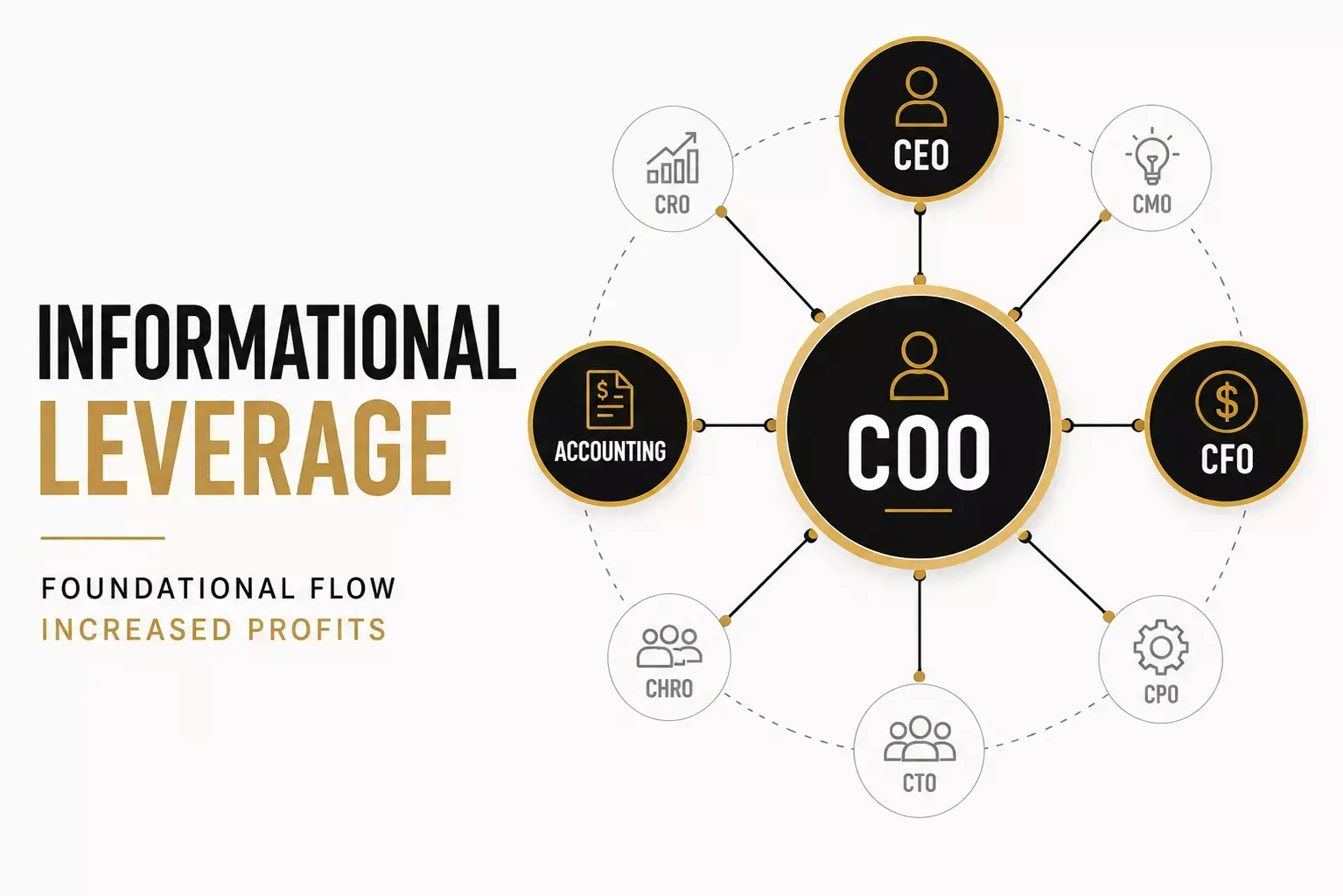
"Accounting is a stick in the mud." "I'm not really sure what a COO does all day." "The CFO just plays around with their little Excel sheets." You have probably heard one of those lines. You may have thought one yourself. They sound like harmless office humor. They actually point to something expensive. In most growing service businesses, nobody has ever defined how operations and accounting work together. The people who produce your financial reports sit outside the very decisions those reports are meant to inform. That gap costs you every single month, quietly, in profit that should have been there. Part 1 of a 5-part series on the COO and Accounting relationship

In modern business management, effective capacity planning requires far more than matching supply with demand—it demands a rigorous financial framework. Every unit of unused capacity represents sunk cost and margin erosion, while every unit of insufficient capacity risks churn and missed revenue. By evaluating capacity planning as a financial exercise, organizations can translate labor hours, utilization rates, and operational throughput into clear financial metrics like cost of goods sold (COGS) and return on invested capital (ROIC). This guide explores how to integrate operational capacity into your financial planning and analysis (FP&A) cycle to drive sustainable, cash-efficient scale.

In a service-based business, time is literally money, and every day an invoice goes unpaid, your margin shrinks. Unlike product businesses that can rely on physical inventory to back up value, service providers face a unique cash flow vulnerability: you've already delivered the work, paid your team, and covered overhead long before the client settles the bill. That makes managing your Accounts Receivable (AR) aging schedule critical to survival. But how do you know if your outstanding invoices are normal or a sign of trouble? Understanding key AR aging benchmarks, and where your service business stands relative to industry standards, is the first step toward reclaiming your cash flow and protecting your bottom line.This article walks you through the 30-60-90 AR Health Check and what healthy numbers look like for your business.