

State Of The Company: Promoting Transparency, Engagement, Alignment, Empowerment, and Adaptability
The “state of the company” refers to a comprehensive overview or report that provides insight into the current status, performance, and direction of a business. It typically covers various aspects of the organization, including financial performance, operational highlights, strategic initiatives, challenges, and opportunities.
Regularly presenting a state of the company to employees in small businesses offers several benefits:
- Transparency and Communication: It fosters a culture of transparency by keeping employees informed about the company’s performance, goals, and challenges. This open communication helps build trust and alignment among team members. It opens the doorway for two way communication
- Employee Engagement: When employees understand the company’s direction and how their contributions fit into the bigger picture, they feel more engaged, empowered and motivated- and as an added bonus more likely to have a high retention rate. Regular updates can help employees see the impact of their work and feel more connected to the organization.
- Alignment: Keeping employees informed about the company’s performance and goals empowers them to make better decisions in their roles. When employees have a clear understanding of the company’s direction, they can act more autonomously and make choices that support the company’s objectives.
- Retention and Morale: Feeling informed and included in the company’s journey can boost employee morale and job satisfaction. Regular updates demonstrate that the company values its employees and their contributions, which can help with retention efforts.
- Alignment of Goals: Presenting the state of the company allows employees to understand the company’s strategic priorities and objectives. This clarity helps align individual and team goals with the overall goals of the business, leading to more focused and effective efforts.
- Adaptation to Change: Small businesses often face rapid changes in market conditions, competition, and technology. Regular updates help employees stay informed about these changes and adapt quickly to new circumstances, ensuring the company remains agile and responsive.
Overall, presenting a state of the company to employees on a regular basis promotes transparency, engagement, alignment, empowerment, and adaptability, all of which are essential for the success and sustainability of small businesses.
Our Latest Insight
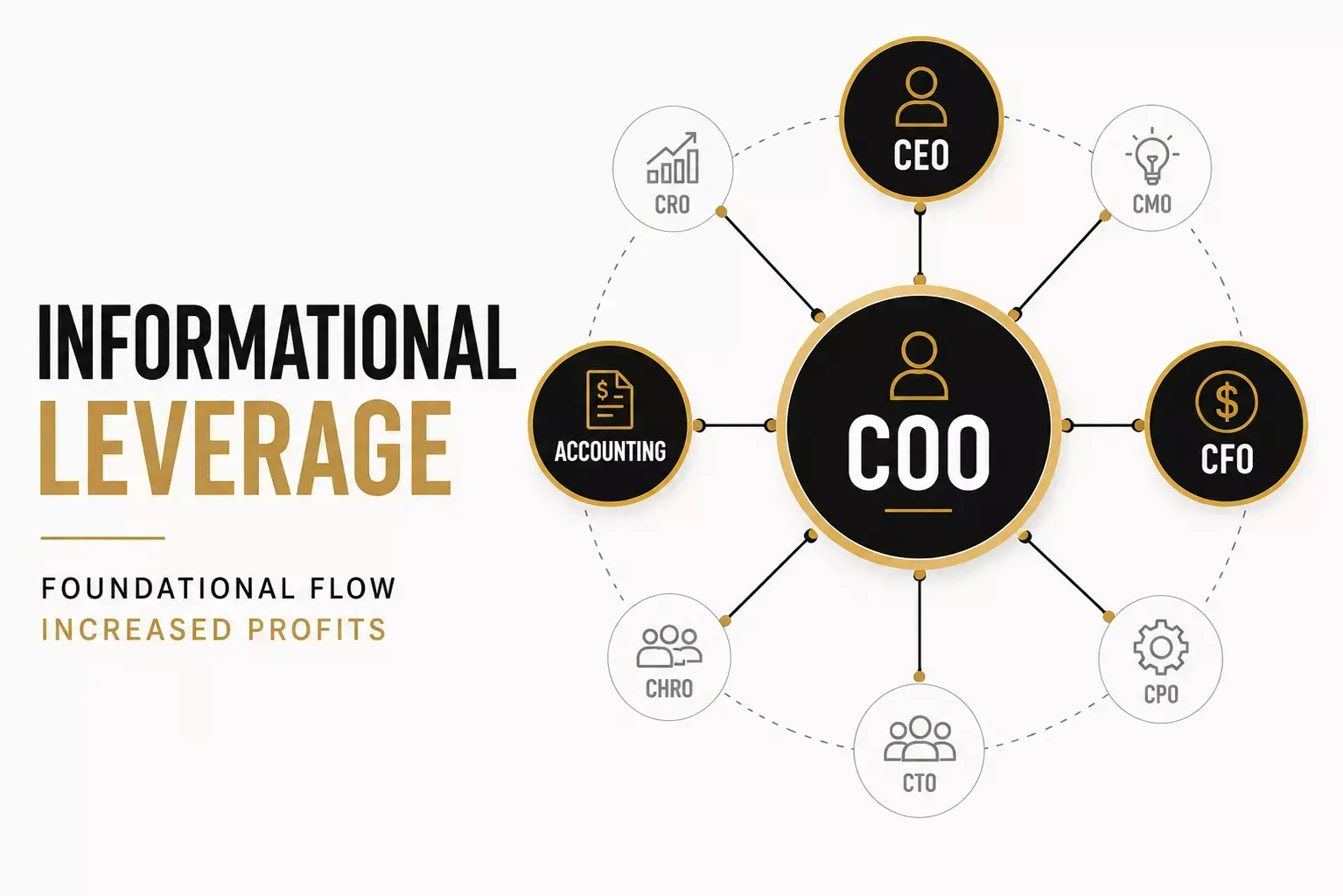
"Accounting is a stick in the mud." "I'm not really sure what a COO does all day." "The CFO just plays around with their little Excel sheets." You have probably heard one of those lines. You may have thought one yourself. They sound like harmless office humor. They actually point to something expensive. In most growing service businesses, nobody has ever defined how operations and accounting work together. The people who produce your financial reports sit outside the very decisions those reports are meant to inform. That gap costs you every single month, quietly, in profit that should have been there. Part 1 of a 5-part series on the COO and Accounting relationship

In modern business management, effective capacity planning requires far more than matching supply with demand—it demands a rigorous financial framework. Every unit of unused capacity represents sunk cost and margin erosion, while every unit of insufficient capacity risks churn and missed revenue. By evaluating capacity planning as a financial exercise, organizations can translate labor hours, utilization rates, and operational throughput into clear financial metrics like cost of goods sold (COGS) and return on invested capital (ROIC). This guide explores how to integrate operational capacity into your financial planning and analysis (FP&A) cycle to drive sustainable, cash-efficient scale.

In a service-based business, time is literally money, and every day an invoice goes unpaid, your margin shrinks. Unlike product businesses that can rely on physical inventory to back up value, service providers face a unique cash flow vulnerability: you've already delivered the work, paid your team, and covered overhead long before the client settles the bill. That makes managing your Accounts Receivable (AR) aging schedule critical to survival. But how do you know if your outstanding invoices are normal or a sign of trouble? Understanding key AR aging benchmarks, and where your service business stands relative to industry standards, is the first step toward reclaiming your cash flow and protecting your bottom line.This article walks you through the 30-60-90 AR Health Check and what healthy numbers look like for your business.