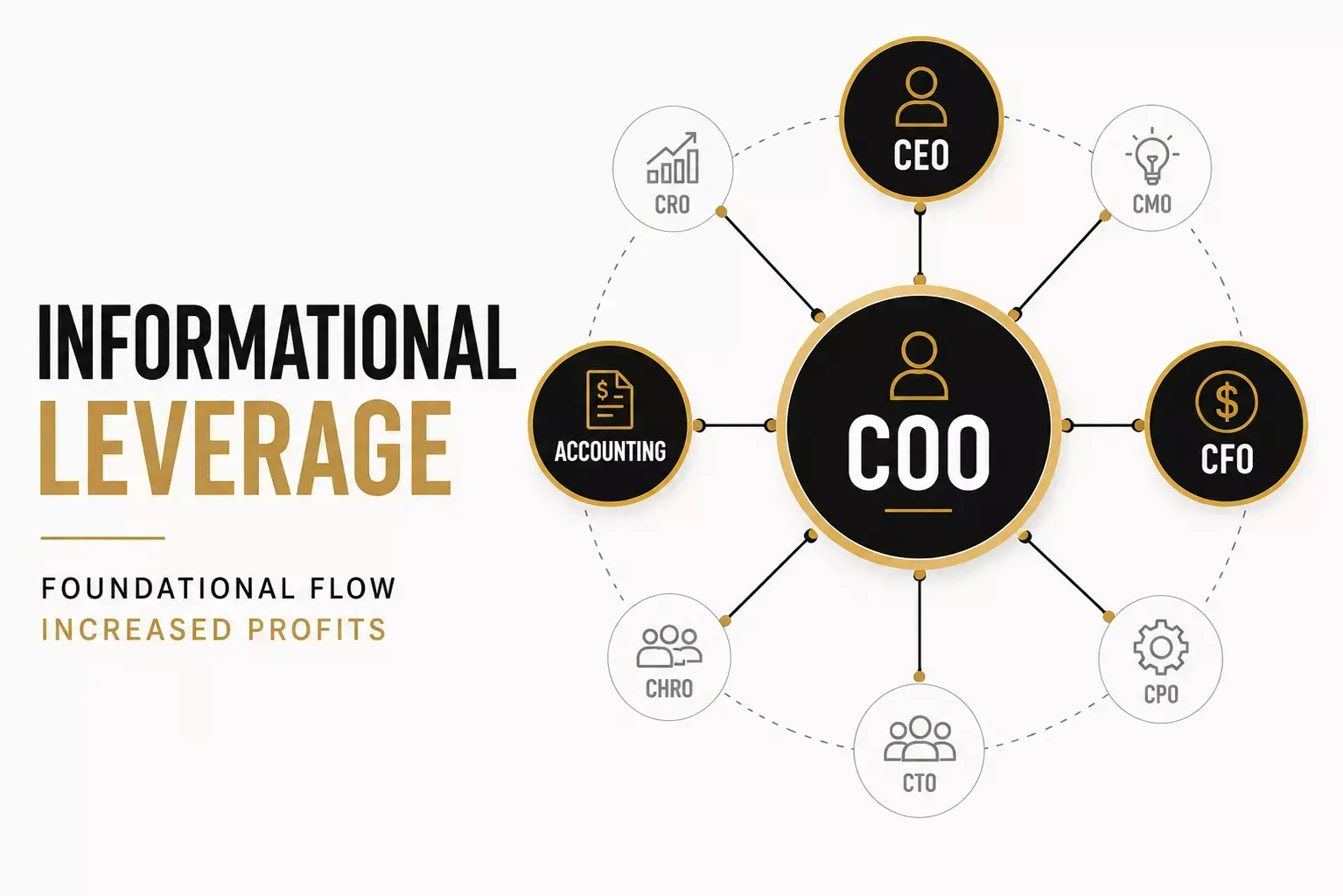

Why Fractional Accounting is Essential for Your Small Business
Small businesses face a persistent financial challenge: they need professional accounting expertise but often cannot justify the expense of hiring a full-time accountant. Between managing cash flow, preparing taxes, and ensuring compliance, the financial complexities can quickly overwhelm business owners who started their ventures to focus on their core products or services, not spreadsheets and regulations. Fractional accounting emerges as the perfect solution, offering professional accounting services on a part-time or project basis. This approach provides small businesses with expert financial management without the substantial overhead costs associated with full-time staff. By leveraging fractional accounting, small businesses gain access to seasoned professionals who can guide their financial strategy while maintaining the flexibility to scale services according to their specific needs and budget constraints.

What is Fractional Accounting?
Fractional accounting represents a service model where experienced accounting professionals work with multiple clients on a part-time basis rather than being employed full-time by a single company. This arrangement allows businesses to access high-level accounting expertise without the commitment and expense of traditional employment relationships.
The services encompassed by fractional accounting are comprehensive and tailored to each business's requirements. These typically include monthly bookkeeping, financial statement preparation, cash flow analysis, budgeting assistance, and strategic financial consulting. Many fractional accountants also provide specialized services such as controller-level oversight, financial process improvement, and preparation for audits or investor presentations.
Engagement models vary to accommodate different business needs and preferences. Some companies prefer hourly arrangements for specific projects, while others establish monthly retainers for ongoing support. Project-based engagements work well for seasonal businesses or companies facing particular financial milestones.
Cost-Effectiveness: The Primary Advantage
The financial benefits of fractional accounting become immediately apparent when comparing costs against traditional full-time employment. A full-time accountant typically commands an annual salary between $68,000 and $82,000, not including benefits, payroll taxes, workers' compensation, office space, equipment, and software licenses. These additional costs can easily add another $15,000 to $25,000 annually.
Fractional accounting eliminates these employee-related expenses. Businesses pay only for the services they actually need, when they need them. A small business might spend $1,500 to $5,000 monthly for comprehensive fractional accounting services that would cost significantly more with a full-time employee. For businesses requiring only basic bookkeeping, monthly costs will be considerably lower.
Beyond direct cost savings, fractional accounting delivers substantial return on investment through improved financial decision-making. Professional accountants identify deductions, optimize cash flow management, and provide insights that prevent costly mistakes. Many small businesses discover that their fractional accountant's recommendations save them more money than the service costs. This makes it essentially a profit-generating investment rather than just an expense.
Access to Expert-Level Expertise
One of the most compelling advantages of fractional accounting lies in the caliber of professionals available to small businesses. While a company might only afford a junior-level full-time accountant, fractional accounting provides access to senior professionals with decades of experience, advanced certifications, and specialized knowledge across multiple industries. Their experience working with diverse clients means they can quickly identify patterns, spot potential issues, and recommend solutions based on proven strategies from similar businesses.
Fractional accountants maintain current knowledge of ever-changing regulations and industry best practices through continuing education and professional development. This ongoing learning ensures that small businesses benefit from up-to-date expertise without having to invest in training or worry about whether their internal staff stays current with regulatory changes. The strategic guidance these professionals provide helps business owners make informed decisions about expansion, financing, and long-term planning.
Scalability and Flexibility Benefits
The dynamic nature of small businesses demands accounting support that can adapt quickly to changing circumstances. Fractional accounting excels in providing this flexibility. It allows companies to scale services during busy periods and reduce them during slower times without the complications of hiring, training, or dismissing employees.
Economic uncertainties and market fluctuations become more manageable when businesses can adjust their accounting support accordingly. Companies facing temporary downturns can reduce services to essential functions. Conversely, those experiencing unexpected growth can quickly scale up to handle increased transaction volumes and more complex financial reporting requirements. This flexibility extends to accessing specialized expertise for specific projects, such as financial modeling for loan applications or due diligence for potential acquisitions.
When Your Small Business Needs Fractional Accounting
Several clear indicators signal that a business has outgrown basic accounting software and DIY financial management. Transaction volumes that require more than a few hours weekly to manage suggest the need for professional support. Similarly, businesses facing complex financial situations such as multiple revenue streams, inventory management, or multi-state operations benefit significantly from accounting expertise.
- Specific business milestones and growth phases may trigger the need for fractional accounting services:
- Companies preparing for bank loans require professionally prepared financial statements and cash flow projections.
- Businesses seeking investors need sophisticated financial reporting and analysis that demonstrates growth potential and financial stability.
- Companies facing audits or regulatory scrutiny require expert preparation and representation.
- Expanding businesses need cash flow management, budget planning, and financial controls to support sustainable growth.
- Companies considering new markets, products, or services require financial analysis to evaluate opportunities and risks effectively.
Making the Strategic Investment in Your Business's Future
Fractional accounting represents more than just a cost-saving measure; it constitutes a strategic investment in your business's financial health and growth potential. The combination of professional expertise, cost efficiency, and operational flexibility creates a foundation for sustainable business success that few small businesses can achieve through other means.
At First Steps Financial, we offer a range of professional accounting services, including fractional accounting, bookkeeping, financial advisory and consulting services, and strategic guidance. Our experienced team understands the unique challenges small businesses face and provides tailored solutions that evolve with your company. We’re here to alleviate financial stress and enhance your business growth potential. Let’s connect.
Our Latest Insight

Why Your Expense Records Matter More Than You Think Think of your expense data as a financial mirror. It shows you exactly where your money is going and reveals patterns you might never have noticed otherwise. When you're diligent about small business expense tracking, you're not just creating paperwork. You're building a comprehensive narrative of your business operations that gives you real, actionable insights. Maybe you'll discover that your software subscriptions have crept up to an unsustainable level, or that certain supply vendors are significantly more expensive than alternatives. These discoveries become opportunities to optimize and grow. Create a System That Actually Works for You The best small business expense tracking system is the one you'll actually use consistently. Start by choosing a method that fits your working style. Some business owners prefer digital tools with automatic receipt scanning, while others thrive with traditional spreadsheets. What matters is consistency and accessibility. Consider implementing these foundational steps: Designate a specific time each week to log expenses Keep receipts organized in one central location Categorize expenses logically from the start Set up alerts for unusual spending patterns Categorizing Expenses: Your Secret Weapon Organization becomes your superpower when you group related expenses into meaningful categories. Rather than having a chaotic pile of receipts, thoughtful categorization reveals which areas of your business consume the most resources. You might have categories for equipment, office supplies, professional services, marketing, and utilities. Some expenses might not fit neatly into a single bucket, but spending time upfront to create clear categories pays dividends later when you need to understand your spending habits quickly. Real-Time Tracking Beats Catch-Up Work One of the biggest mistakes business owners make is waiting until the end of the month or quarter to handle small business expense tracking. By then, receipts are lost, details are forgotten, and the task becomes overwhelming. Instead, aim to log expenses as they happen or within a day or two. This real-time approach transforms expense tracking from a dreaded chore into a quick daily habit. You'll have more accurate records and spend less time backfilling information later. Use Technology to Work Smarter Modern tools have revolutionized how businesses handle expense management. Apps now exist that automatically categorize expenses, extract data from receipts, and sync information across devices. Ramp, for instance, offers a comprehensive spend management platform for businesses, combining corporate charge cards, expense management, bill payments, and accounting automation. Evaluate solutions that integrate with your existing software so everything works seamlessly together. A small investment in the right technology can save you enormous amounts of time and reduce human error significantly. Making Sense of the Numbers Once your small business expense tracking system is running smoothly, the real magic happens. You'll generate reports that show your spending trends, identify cost-saving opportunities, and support better business decisions. When you can answer questions about your expenses quickly and confidently, you position yourself as someone who truly understands their business. Your Next Step Forward The business owners who take control of their finances are the ones who ultimately build the most resilient companies. Small business expense tracking is the foundation of that control. If you're ready to take your financial management to the next level, consider partnering with an accounting firm that specializes in working with small businesses. At First Steps Financial, we go beyond simple number crunching. We become your strategic advisor, helping you interpret your expense data to make smarter decisions about cash flow management, spending allocation, and growth investments. We’ll help you implement systems that scale with your business, ensure nothing falls through the cracks, and free up your time to focus on what you do best: running and growing your company. That's the difference between struggling with finances and confidently piloting your business toward success. Let’s chat .
Aligning Finances With Your Mission Every strong organization connects its mission directly to its finances. Effective nonprofit accounting ensures resources are allocated where they matter most. When financial goals align with mission objectives, organizations become more focused and achieve greater impact. Sharing regular financial updates with your team and board keeps everyone informed about fund usage and encourages accountability. This transparency builds confidence among donors and community partners over time. Staying Compliant and Accountable Sound nonprofit accounting practices help organizations meet financial regulations without requiring expertise in complex compliance matters. Organized records of donations, grants, and expenses demonstrate responsible stewardship of every dollar received. Regular review of financial reports allows board members to identify small discrepancies before they escalate into larger problems. Clean, well-maintained records enable organizations to focus on their core mission rather than scrambling to address preventable issues. Strengthening Financial Controls Strong internal controls protect your organization and increase the reliability of your financial reporting. Here are five essential ways to improve your nonprofit accounting system: Separate financial duties so no single person handles all money-related tasks. This division of responsibilities reduces risk and promotes accountability across the organization. Track restricted funds clearly to ensure money designated for specific purposes is spent according to donor intent and grant requirements. Monitor cash flow regularly to anticipate seasonal fluctuations and prepare for changes in funding streams. Schedule financial reviews or audits as appropriate for your organization's size and complexity to identify potential issues early. Keep your board fully informed so all members understand the organization's current financial position and can make sound governance decisions. These practices make it easier to achieve the efficiency and transparency that donors, grant makers, and regulators expect from nonprofit organizations. Planning Ahead With Budgeting and Forecasting Strategic planning is one of the most valuable tools for organizational stability. A well-designed budget helps nonprofits maintain steady operations even during periods of uncertainty. Combining budgeting with forecasting enables organizations to prepare for new grant opportunities or shifts in donor contributions. Flexible budgets that adapt to changing circumstances while remaining aligned with mission priorities give leadership teams confidence when making financial decisions that advance organizational goals. Simple Ways to Strengthen Financial Performance Improving nonprofit accounting doesn't require complex overhauls. These practical steps can create meaningful improvements: Review financial reports consistently to maintain awareness of organizational progress and identify trends early. Diversify funding sources to reduce dependence on any single grant or donor relationship. Use reliable accounting tools that simplify transaction tracking and streamline reporting processes. Train team and board members so everyone understands their financial responsibilities and can contribute to sound fiscal management. Seek professional guidance when specialized expertise is needed for complex accounting or compliance matters. Keeping systems simple and transparent allows nonprofit organizations to grow stronger and expand their impact in the communities they serve. Building Financial Confidence That Lasts Strong nonprofit accounting builds trust, confidence, and long-term stability. With appropriate processes in place, board members can focus on mission advancement knowing that finances are well-managed and transparent. Clear financial systems transform accounting from a burden into a strategic asset that supports every aspect of organizational success. Our team at First Steps Financial makes managing money easier and more meaningful. Connect with us to learn how we can help your nonprofit stay organized, compliant, and ready for growth.
Financial Analysis: Reviewing Cash Flow for Liquidity Cash flow statements reveal the actual movement of money through your organization. Unlike profit and loss statements that may show theoretical gains, cash flow tracks real dollars available for operations. This distinction matters because a profitable business can still fail if it cannot meet immediate obligations like payroll or vendor payments. Compare your operating cash inflows against the timing of revenue collection. Late-paying clients create gaps that strain operations, while unexpected expense spikes can drain reserves faster than anticipated. Identifying these patterns early allows you to secure lines of credit before emergencies arise or adjust payment terms proactively. Revenue Trends and Profitability Metrics Break down revenue by product line, service category, or funding source to understand what actually drives your business forward. This granular view exposes which offerings generate sustainable growth and which drain resources without adequate return. Gross margin analysis measures how efficiently you convert sales into profit before operating expenses. A shrinking margin signals pricing pressure, rising production costs, or inefficient operations. Through consistent financial analysis, address margin erosion by adjusting: Pricing strategies to reflect true value delivery Vendor agreements to reduce input costs Operational processes to eliminate waste Operating Expense Management Track monthly spending against both budget projections and historical patterns. This dual perspective reveals whether cost increases represent intentional investments or uncontrolled drift. Categorize expenses by function (staffing, marketing, technology, facilities) to identify which areas deliver measurable returns and which consume resources without proportional benefit. Rising costs aren't inherently problematic if they support strategic priorities. The key is ensuring every dollar spent advances your objectives. Technology investments should improve efficiency, marketing spend should generate qualified leads, and staffing increases should enable capacity growth. Working Capital Cycle Analysis Accounts receivable management determines how quickly customer promises convert to usable cash. Calculate your average collection period and track changes over time. Lengthening collection cycles indicate either deteriorating customer quality or inadequate follow-up processes. Accounts payable timing affects both cash preservation and vendor relationships. While extending payment terms preserves liquidity, consistently pushing limits damages partnerships and may result in unfavorable pricing or service priority. The optimal approach balances cash needs with relationship value. Integrating both metrics reveals your working capital cycle efficiency. Faster collection combined with strategic payment timing creates self-sustaining operations that require less external financing. Key Performance Indicators That Matter Financial analysis extends beyond traditional accounting metrics to include operational indicators that predict future performance. Select KPIs that directly connect to your strategic objectives rather than tracking generic benchmarks. Essential metrics to monitor include: Customer acquisition cost Revenue per employee Gross profit margin Accounts receivable turnover Operating cash flow ratio Growth-focused organizations emphasize expansion metrics like customer lifetime value and market penetration rates. Established businesses prioritize efficiency indicators such as operating leverage and return on invested capital. Nonprofits track donor retention and program efficiency ratios. Building Sustainable Review Practices Establish a consistent monthly schedule for financial analysis rather than sporadic deep dives. Use a standardized checklist covering cash flow, revenue composition, expense trends, working capital metrics, and relevant KPIs. This discipline converts periodic reporting into strategic management. Regular reviews train your eye to spot anomalies quickly. You'll recognize when trends diverge from expectations and can investigate causes while course correction remains simple. Monthly attention prevents the accumulation of small issues into existential threats. Creating Accountability Through Numbers Financial analysis creates transparency around resource allocation decisions and performance outcomes. When leadership commits to regular review, the entire organization develops financial awareness that improves decision-making at every level. This discipline prepares your business for both challenges and opportunities. Leaders who understand their financial position can move decisively when competitors hesitate. They weather downturns without panic and invest in growth from a position of strength. Building this capability requires consistent effort, but the foundation it creates enables sustainable success. Need help streamlining your monthly financial analysis process? Our team at First Steps Financial is here to help. Let’s chat.