

Accounting for Small Business Owners: 5 Red Flags That Your Books are Broken (And How to Fix Them)
Strong financial records are not just about compliance or organization. They shape daily decisions, long-term planning, and confidence as a leader. For many companies, problems begin quietly and grow until cash flow feels unpredictable or reports stop making sense. That is why accounting for small business owners deserves regular attention, even when things seem stable.
Below are five warning signs that your records may be unreliable, along with practical steps to correct them before they cause lasting damage.
Below are five warning signs that your records may be unreliable, along with practical steps to correct them before they cause lasting damage.

1. Your Financial Reports Never Match Reality
If statements show healthy margins, but the bank balance feels tight, something is off. This disconnect often points to missing entries, timing issues, or misclassified transactions.
Start by reconciling accounts monthly.
Compare statements against source documents such as invoices, receipts, and bank activity. Consistency creates trust in the numbers and reduces surprises when reviewing performance.
2. You Are Always Behind on Updates
When records lag weeks or months behind, visibility disappears. Decisions become guesses rather than informed choices.
Create a recurring schedule for updates. Weekly or biweekly check-ins keep information current and manageable. Smaller intervals also make it easier to catch errors early, before they compound into larger issues.
3. Expense Categories Keep Changing
Frequent shifts in how costs are labeled make trends impossible to track. Without consistency, comparing periods lose meaning.
Establish a clear chart of categories and stick to it. Adjust only when operations evolve in a meaningful way. Stable classifications help reveal spending patterns and support better planning.
4. You Rely on Your Bank Balance Alone
Checking available cash may feel sufficient, but it only tells part of the story. Outstanding invoices, upcoming obligations, and recurring commitments are invisible without proper reporting.
Use cash flow summaries
to understand timing. Seeing inflows and outflows together provides clarity and reduces stress during slower periods. Awareness supports proactive choices instead of reactive ones.
5. Corrections Happen Only During Year-End
Waiting until the end of the year to clean up records can feel efficient, yet it often creates confusion and rushed fixes. Important insights are lost along the way.
Build in periodic reviews. Quarterly assessments allow adjustments while details are still fresh. This habit improves accuracy and reduces the burden of large-scale corrections later.
Turning Clarity Into Confidence
Addressing these red flags takes time and discipline, but the payoff is control. Reliable records support smarter pricing, steadier cash management, and calmer leadership.
First Steps Financial
partners with organizations that want clarity without adding internal strain. Through fractional bookkeeping and financial consultation, our team helps bring structure, consistency, and insight to financial systems so leaders can focus on running their operations with confidence.
If you are ready to replace uncertainty with clarity, let’s connect.
Our Latest Insight

Article 1 ended with a question. When does your COO actually talk to Accounting before a decision gets made? How long did it take you to answer? Immediately? Minutes? Maybe you could not think of a single example. Bills get paid, projects keep moving, and financial reports show up. Nothing feels obviously broken, so you conclude everything is fine. If that question made you uncomfortable, you are not alone. Here is the part that keeps this problem alive. You only know what good looks like based on what you have already lived through. Most owners have never worked inside a business where Operations and Accounting were intentionally built to function together. So they measure their company against their own status quo. This article gives you a different reference point. You will see what the relationship looks like day to day, what rhythm it runs on, and five things you can check this week. None of it requires scrapping what you have built. The people are already in the building. The data already exists. What changes is how the pieces are arranged, and how much leverage you get out of the company you have right now. Part 2 of a 5-part series on the COO-Accounting relationship
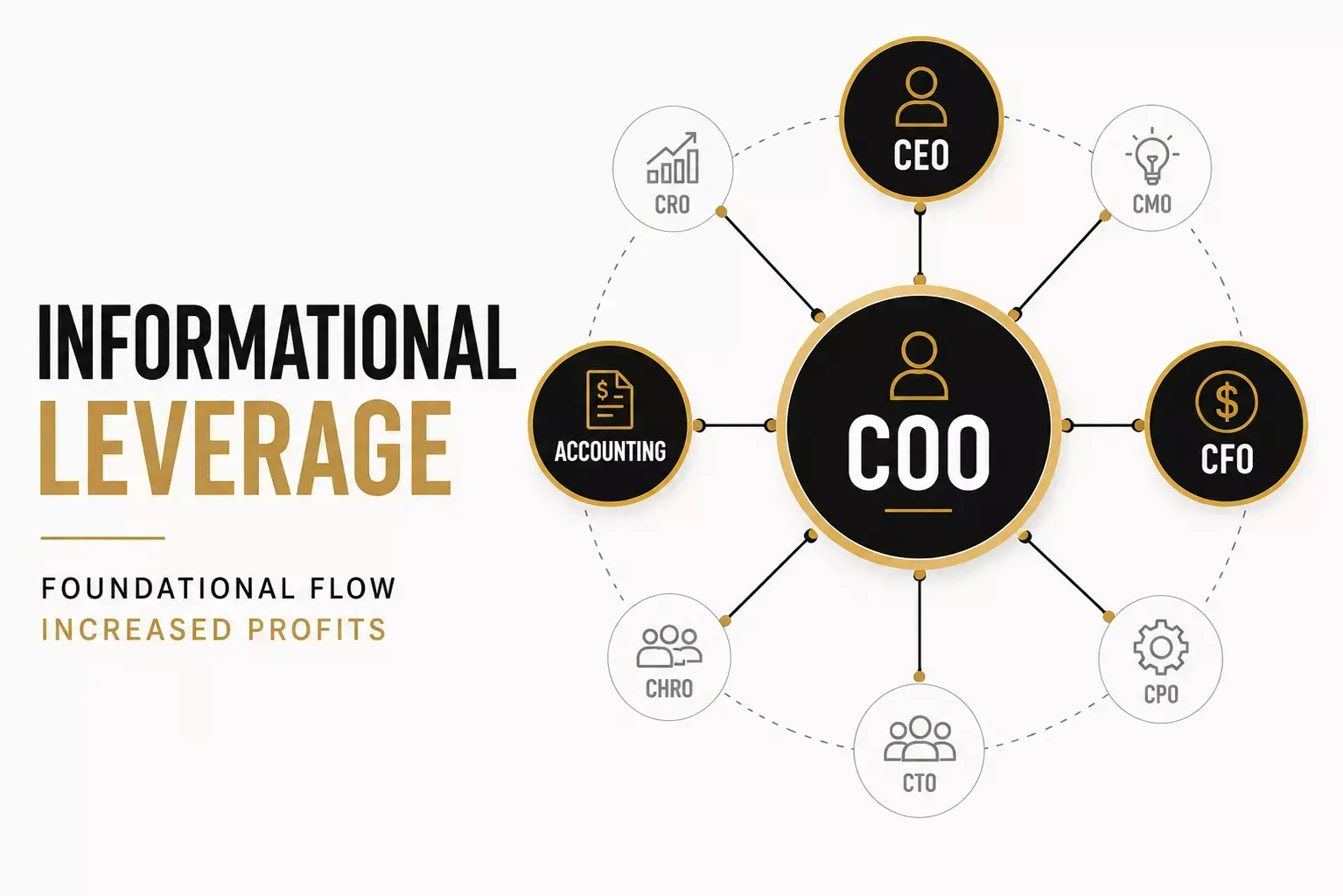
"Accounting is a stick in the mud." "I'm not really sure what a COO does all day." "The CFO just plays around with their little Excel sheets." You have probably heard one of those lines. You may have thought one yourself. They sound like harmless office humor. They actually point to something expensive. In most growing service businesses, nobody has ever defined how operations and accounting work together. The people who produce your financial reports sit outside the very decisions those reports are meant to inform. That gap costs you every single month, quietly, in profit that should have been there. Part 1 of a 5-part series on the COO and Accounting relationship

In modern business management, effective capacity planning requires far more than matching supply with demand—it demands a rigorous financial framework. Every unit of unused capacity represents sunk cost and margin erosion, while every unit of insufficient capacity risks churn and missed revenue. By evaluating capacity planning as a financial exercise, organizations can translate labor hours, utilization rates, and operational throughput into clear financial metrics like cost of goods sold (COGS) and return on invested capital (ROIC). This guide explores how to integrate operational capacity into your financial planning and analysis (FP&A) cycle to drive sustainable, cash-efficient scale.